Why Uploading Road Rage Videos on TikTok Can Get You Sued for Cyber Libel

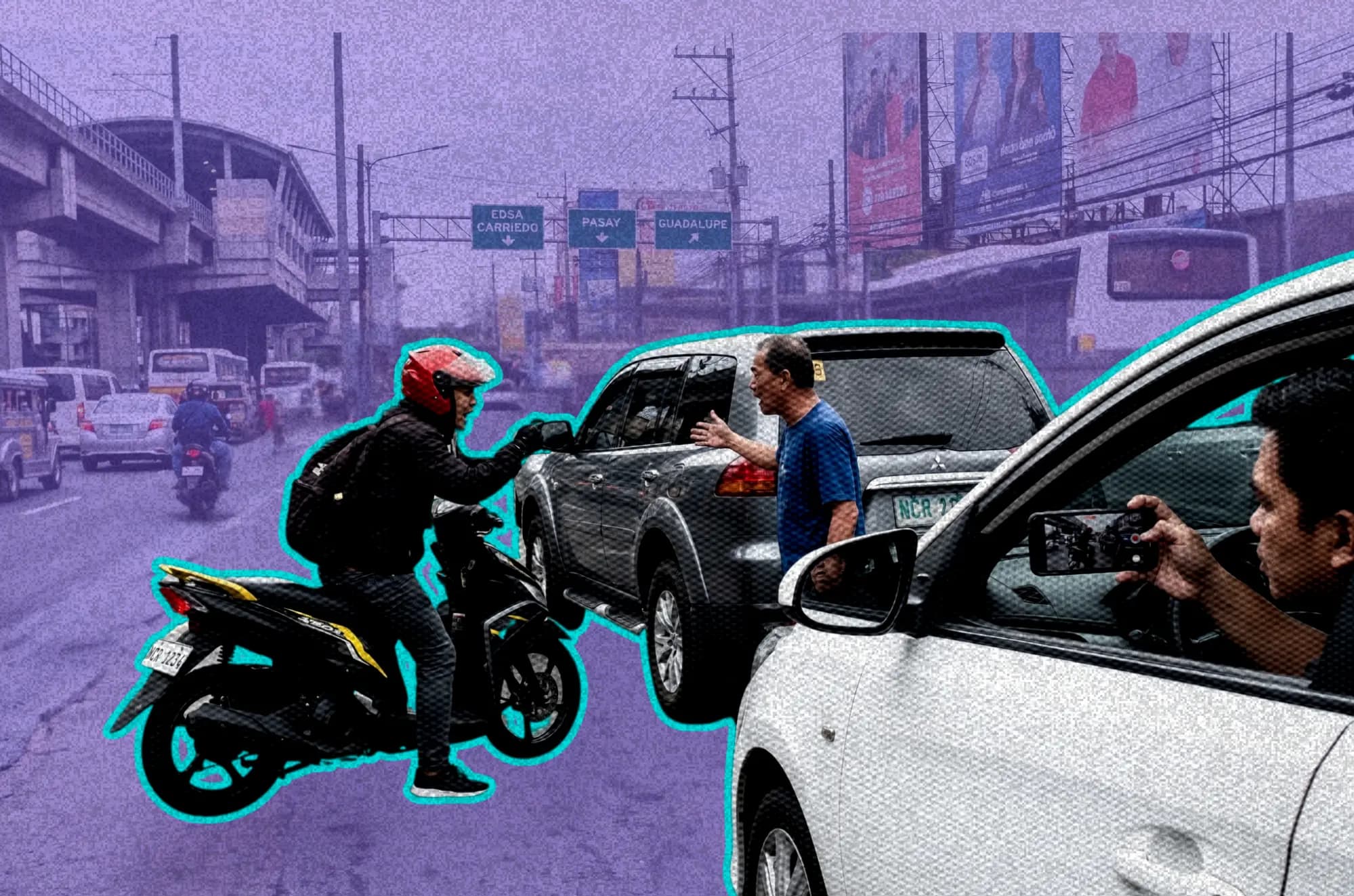
We have all seen it while scrolling through our social media feeds: a heated confrontation on EDSA, a motorcycle rider nearly getting sideswiped, or an aggressive driver screaming out of an SUV window. On Philippine TikTok and Facebook, uploading clips of road rage incidents has become a massive trend. Netizens love to play judge, jury, and executioner, using the digital space to name, shame, and call out "kamote" behavior on the road.
While it feels like citizen justice, hitting that "upload" button can backfire horribly. In the Philippines, recording a public altercation and exposing the other driver’s face or vehicle details online can land you in a costly, exhausting legal battle. Whether the footage was captured cleanly on a car dashcam, hurriedly recorded using a personal cellphone, or extracted from a CCTV feed, posting raw traffic confrontations carries immense risk.
Under the country's strict digital laws, uploading any road rage video online without careful legal caution is a fast track to getting sued for cyber libel.
Understanding Cyber Libel in the Philippines
To understand why a simple TikTok post can trigger a lawsuit, you need to understand the country's penal system. Cyber libel is not a standalone traffic law; it is anchored on the relationship between Article 353 of the Revised Penal Code (RPC), which defines traditional libel, and Republic Act No. 10175, or the Cybercrime Prevention Act of 2012.
According to Philippine jurisprudence, for a case of cyber libel to prosper against an uploader, prosecutors must establish the following essential elements:
- An imputation of a discreditable act: The post attributes a crime, vice, or moral defect to a person.
- Publicity: The defamatory material is communicated to a third party (which includes public social media platforms).
- Identifiability of the victim: Third parties can easily deduce who the subject is.
- Malice: The intent to cause dishonor or discredit.
- Committed via a computer system: The material was posted on the internet.
When you upload a road rage video accompanied by an angry caption, a sarcastic voiceover, or a call to action for netizens to "dox" the driver, you are checking every single box required to build a criminal case against yourself.
How Any Traffic Video Can Satisfy the Elements of a Crime
Many motorists assume that because a road rage incident happened on a public highway, they have an absolute right to post it. This is a dangerous misconception. Because the law can easily be leveraged against uploaders, here is how a raw video—regardless of the camera used—satisfies the legal criteria for a cyber libel charge:
1. The Trap of "Identifiability"
A common defense uploaders use is, "But I never explicitly mentioned their full name in the TikTok caption!" According to Philippine courts, a victim does not need to be explicitly named to be considered defamed. Under the Rules on Electronic Evidence, showing a clear view of a driver's face, their conduction sticker, or their vehicle’s unique license plate is more than enough. If their friends, coworkers, or the general public can identify them through your video, the element of identifiability is legally met.
2. The Presumption of Malice
Philippine law generally presumes that any defamatory imputation is malicious, especially if it damages a person's standing in society. When you stitch a video, add mocking background music, or use hashtags like #KamoteDriver or #RoadRagePH, you are actively framing the other party as a criminal or a menace to society. Even if the other driver was initially at fault, the act of exposing them to public ridicule can be seen as an intentional attempt to destroy their reputation.
3. Real-World Precedents in Motoring Media
This legal technicality has already played out with serious consequences in the local automotive scene. A prominent example involved an online post that led to criminal indictments for cyber libel after mistakenly identifying a vehicle owner in a viral Manila road rage incident. Furthermore, the legal landscape surrounding these cases continues to shift. The Supreme Court clarified in Causing v. People that the prescription period for cyber libel is fixed at one year from the date of discovery. This means that while a case must be filed within a strict timeframe, the risk remains active from the exact moment an offended party uncovers the online post.
The Harsh Penalties of Digital Vigilantism
What makes cyber libel incredibly dangerous for the average uploader is the penalty scale. Because the act was committed using information and communications technology (ICT), Section 6 of RA 10175 explicitly raises the penalty by one degree higher than traditional libel under the Revised Penal Code.
If found guilty, the baseline penalty is elevated to prisión mayor in its minimum and medium periods. According to recent judicial standards outlined by Philippine legal commentaries on cybercrime sentencing, an uploader faces a prison sentence ranging from 4 years, 2 months, and 1 day up to 8 years and 1 day.
Furthermore, the civil aspect of the law allows the victim to seek massive monetary damages for mental anguish, wounded feelings, and social humiliation. Courts also maintain the discretion to add or substitute a hefty fine ranging from ₱40,000 to over ₱1,200,000. A 15-second TikTok clip that earned you a few thousand views could cost you hundreds of thousands of pesos in bail, legal retainers, and damages—not to mention a permanent criminal record.
The Right Way to Handle Road Rage
If you capture a genuine traffic violation or are a victim of aggressive driving, digital vigilantism is not the answer. To keep yourself legally protected while ensuring justice is served, follow these proper steps:
- File an Official Report: Bring your unedited dashcam, CCTV, or cellphone footage directly to the Land Transportation Office (LTO) or the Philippine National Police (PNP) Anti-Cybercrime Group. Let the proper authorities handle the investigation and issue subpoenas.
- Keep It Private: Do not upload the raw clip to public car groups or video-sharing apps. Sharing the evidence privately with your insurance company or legal counsel preserves the integrity of the footage without exposing you to civil liabilities.
- Blur Identifiers If You Must Post: If you are sharing an educational clip to warn others about a dangerous road hazard or intersection, ensure that all faces, license plates, and distinct vehicle decals are completely blurred out to eliminate the element of identifiability.
Think before you post
Your recordings are an excellent tool for insurance claims and legal defense, but they should never be used as an unchecked weapon for internet clout. The next time you capture a stressful road dispute, keep your cool, keep the video on your memory card, and let the law take its course. Handling traffic issues through official law enforcement channels rather than public social media call-outs is the only surefire way to avoid a multi-year cyber libel lawsuit. Protecting your own legal record and financial stability is worth far more than a viral video trend.