Which Used Cars are Actually 100% Exempted from MMDA Number Coding?

Navigating the streets of Metro Manila is a daily test of patience. Between sudden downpours and bumper-to-bumper traffic on EDSA, the last thing you want to worry about is the Metropolitan Manila Development Authority (MMDA) number coding scheme.
Getting benched for just one day a week doesn't just mess up your schedule—it drains your wallet through expensive ride-hailing apps or taxi fares.
If you are currently browsing the second-hand market for a reliable daily driver, there is a completely legal way to skip the coding hours entirely. Thanks to Republic Act No. 11697, or the Electric Vehicle Industry Development Act (EVIDA), certain eco-friendly used cars are 100% immune to number coding.
But before you hand over your hard-earned cash to a seller, you need to know exactly which used models qualify. Buying the wrong type could still leave you stuck in your garage.
What is the EVIDA Law?
Passed to help cut down on pollution and reduce fossil fuel dependency, the EVIDA law explicitly grants registered electric and hybrid vehicles a mandatory exemption from the number coding schemes enforced by the MMDA and local cities. According to the Philippine News Agency, the Department of Energy (DOE) has firmly backed this rule, making sure traffic enforcers respect your right to drive every single day.
However, not every car with a battery qualifies. To make sure you buy a truly exempt used vehicle, look for these three categories recognized under the official DOE Electric Vehicle Recognition Guidelines:
1. Battery Electric Vehicles (BEVs)
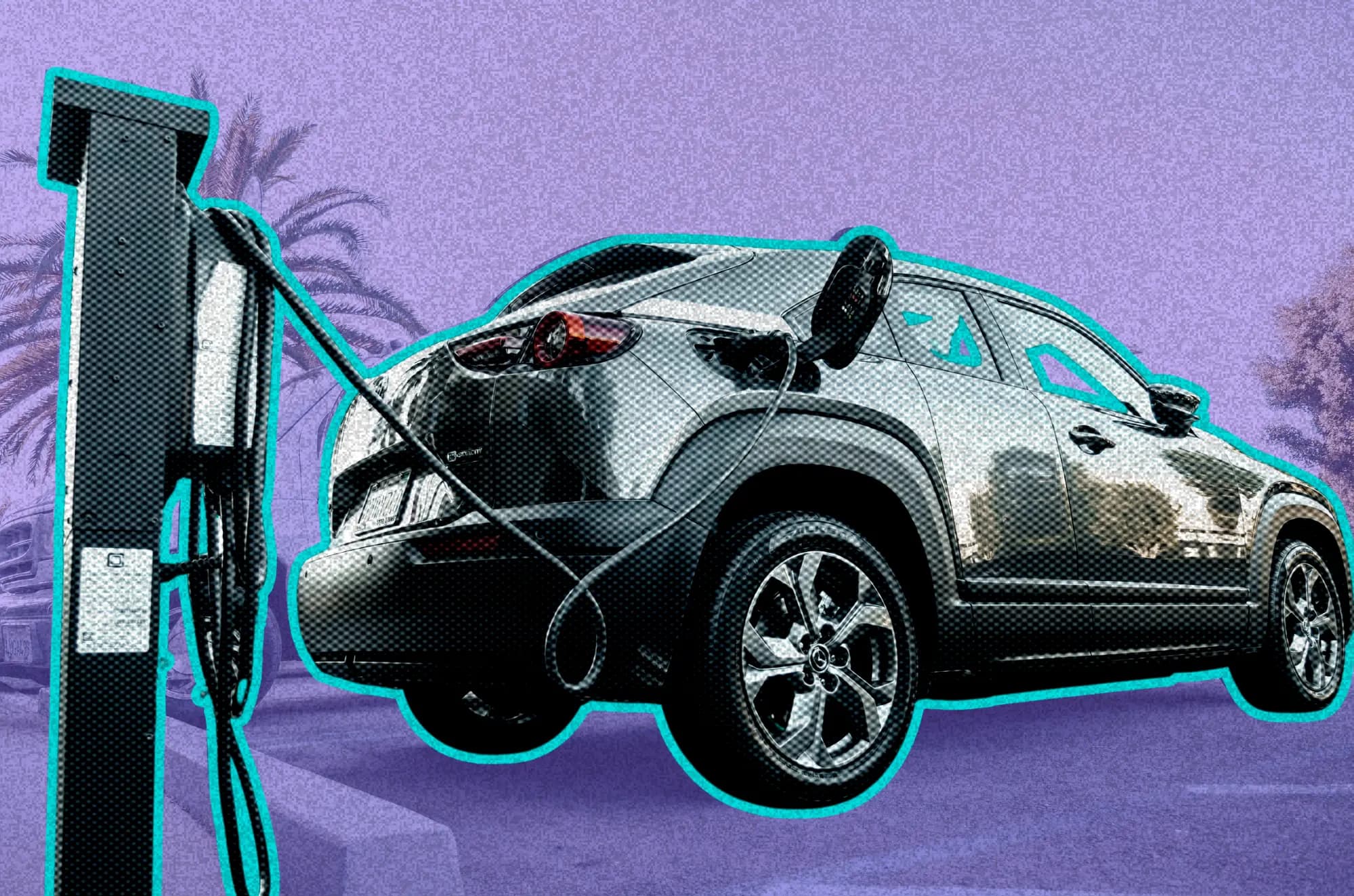
These are 100% fully electric cars. They do not use gasoline at all, have no exhaust pipes, and are charged by plugging them into a wall outlet or a public charging station.
- Real-World Used Options: Nissan Leaf, BYD Dolphin, or early models of the Hyundai Ioniq 5.
- Coding Status: 100% Exempted.
2. Plug-in Hybrid Electric Vehicles (PHEVs)
These cars feature both a regular gas engine and an electric motor. You can plug them in to charge the battery, allowing you to drive purely on electricity for short trips (like your morning commute) before the gas engine ever kicks in.
- Real-World Used Options: Mitsubishi Outlander PHEV or Toyota RAV4 Plug-in Hybrid.
- Coding Status: 100% Exempted.
3. Conventional Hybrid Electric Vehicles (HEVs)
Often called "strong hybrids" or "full hybrids," these are the most popular and practical choices on the used car market. You never have to plug them into a wall. Instead, the car charges its own battery using energy captured when you step on the brakes. Because the electric motor can run the car by itself during heavy traffic or slow speeds, the law fully protects them.
- Real-World Used Options: Toyota Prius, Toyota Corolla Altis Hybrid, Toyota Corolla Cross Hybrid, and Honda Civic RS e:HEV.
- Coding Status: 100% Exempted.
Limitations of "Mild Hybrids"
This is where many used car buyers get tripped up. If a private seller or an independent dealer tells you a car is a "hybrid" and therefore coding-exempt, always verify the paperwork.
Vehicles known as Mild Hybrids (MHEVs)—such as older models of the Suzuki Ertiga Hybrid, Geely Azkarra, or certain Mazda and Volvo variants—only use a tiny electric battery to help the gas engine start up or power the air conditioning. Crucially, a mild hybrid cannot drive on electric power alone.
Note: The MMDA and the DOE do not consider mild hybrids as true electric or hybrid vehicles under the strict EVIDA definitions because they cannot run independently on electricity.
If you drive a mild hybrid on your coding day, you risk getting pulled over and fined under the Single Ticketing System. Always check the vehicle's original Certificate of Registration (CR) from the Land Transportation Office (LTO) to see if it is officially classified as a "Hybrid" before closing the deal.
Why Buying a Coding-Free Car is Worth It
Upgrading to a legitimate used hybrid or EV is easily one of the smartest lifestyle changes you can make in Metro Manila:
- Zero Coding Stress: You can drive to work, drop the kids off at school, and run errands from Monday to Friday without constantly checking the calendar.
- Massive Fuel Savings: Hybrids thrive in bumper-to-bumper traffic. While traditional gas cars waste fuel idling on the highway, hybrids switch to their electric motors, saving you thousands of pesos at the pump every month.
- Strong Resale Value: Because daily mobility is a premium commodity in Manila, true hybrid cars hold their value incredibly well compared to standard combustion vehicles.
Quick Checklist Before You Buy a Used Hybrid
- Check the LTO CR: Look closely at the "Fuel Type" or "Body Type" section. It must explicitly state "Hybrid" or "Electric."
- Look for LTO Green Plates: Many compliant hybrids qualify for green-font license plates, which instantly signal your exemption to traffic enforcers.
- Keep Proof in the Car: Keep a copy of your LTO registration papers in the glovebox just in case a local enforcer needs a quick verification.
If you are ready to upgrade your daily drive but want to keep your savings intact, look for reputable used car dealerships that offer flexible bank or in-house financing choices. Many second-hand car dealers nowadays carry a dedicated selection of pre-inspected, high-quality hybrid and electric vehicles that are ready to drive home with complete peace of mind so you can skip the coding hassle, save on gas, and take back control of your weekly schedule!