Stay Road-Ready: The Essential Guide to Maintaining Idle Cars

Stay Road-Ready: The Essential Guide to Maintaining Idle Cars
In the Philippines, an idle car isn't just "resting"—it's actively fighting against humidity, heat, and gravity. Whether you're a collector, an OFW on a long contract, or a dealer managing inventory, leaving a vehicle stationary for weeks is a recipe for mechanical decay.
To keep a car from becoming a driveway ornament, you need to address the specific ways sitting still destroys a machine. Here is how to keep an idle car in peak condition.
1. Stop Idling, Start Driving
The biggest myth in car care is that "warming up" the engine in the driveway for five minutes is enough. It isn't. Brief idling doesn't get the engine hot enough to evaporate the moisture that collects in the oil and exhaust, which eventually leads to sludge and rust.
Tip: Take the car out for a real drive—at least 20 minutes at varying speeds. You need the engine to reach its full operating temperature to circulate oil through the entire block and allow the alternator to properly top up the battery.
2. Manage the "Vampire" Power Drain
Modern cars are never truly "off." Alarms, keyless entry systems, and onboard computers constantly sip power. In our tropical heat, which is already brutal on lead-acid batteries, a car left for two weeks can easily result in a "click-click" death sound at the next startup.
- Trickle Chargers: If you have a power outlet nearby, use a smart battery tender. It monitors the voltage and gives the battery a "pulse" only when needed.
- The Terminal Pull: If you're going away for a month and have no charger, pull the negative terminal. You'll lose your radio presets, but you'll save the battery from a deep discharge that could permanently kill its capacity.
3. Prevent Tire Flat-Spotting
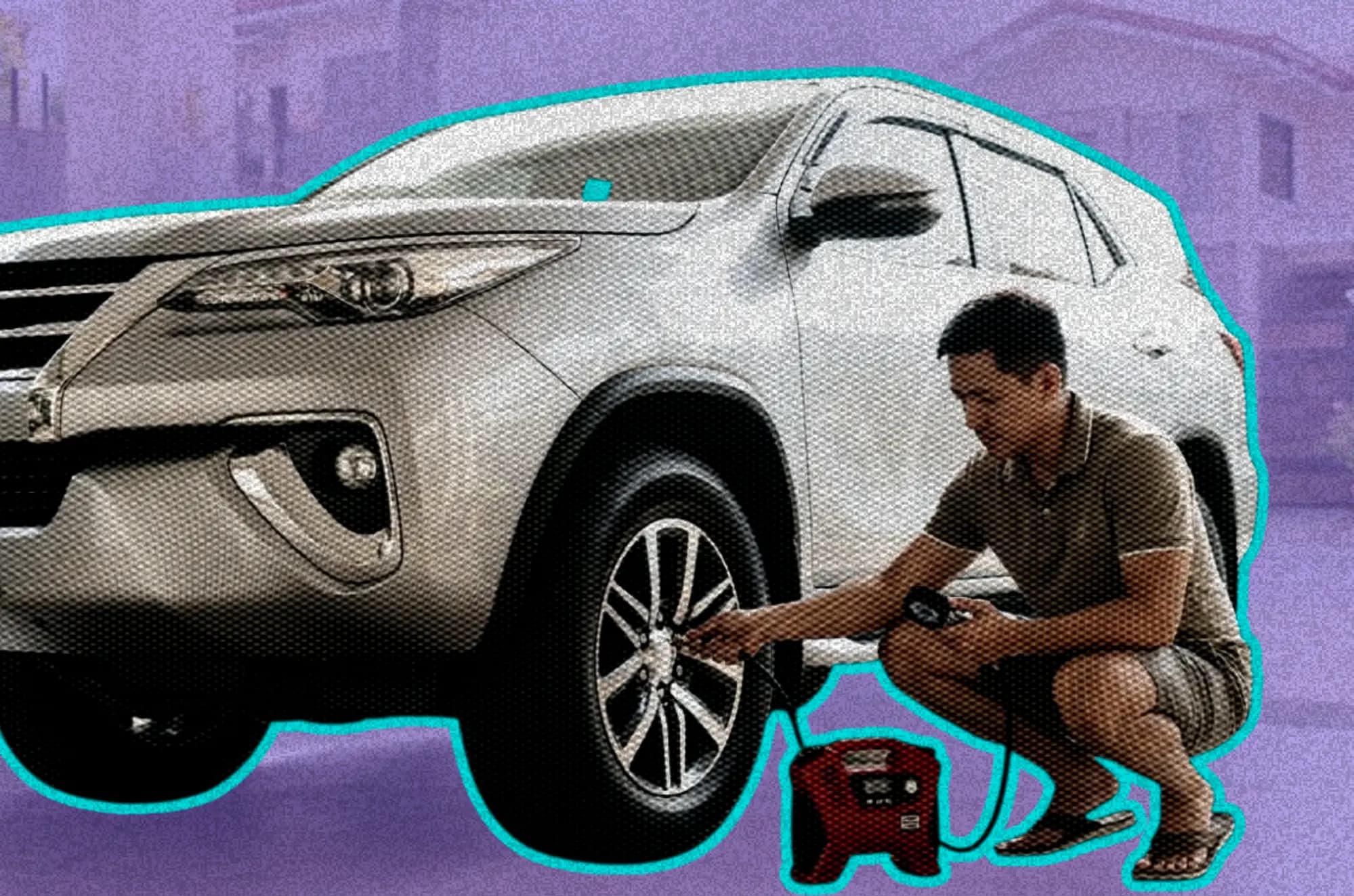
Tires are meant to be round, but the weight of a 1.5-ton vehicle sitting on one spot for too long will flatten the bottom of the tire. These "flat spots" can become permanent, leading to a vibrating ride that feels like you're driving on square wheels.
Tip: Pump your tires up to about 10 PSI above the standard recommendation (staying below the maximum limit on the sidewall). The extra pressure helps the tire maintain its shape. Better yet, just roll the car a few feet every week so it isn't always resting on the same patch of rubber.
4. Don't Let the Fuel Go Stale
Gasoline starts to degrade in as little as 30 days. As it sits, it oxidizes and turns into a varnish-like substance that can clog your fuel injectors. Furthermore, an empty space in your gas tank is just an invitation for condensation to form, leading to water in your fuel lines.
- Keep it Full: A full tank leaves no room for air or moisture to settle.
- Fresh Oil Matters: If the car is going to sit for months, change the oil before you park it. Used oil is full of combustion byproducts and acids; you don't want those sitting stagnant against your engine's internal seals and bearings.
5. Beat the "Kulob" Effect
The Philippine humidity is a silent killer for car interiors. It creates the perfect environment for mold to bloom on your steering wheel and seats.
- Moisture Traps: Throw a few large silica gel packs or a dehumidifier canister (like the ones used for closets) on the floorboards to keep the cabin dry.
- Avoid Plastic Covers: If you use a car cover, make sure it's breathable. Non-breathable plastic covers trap heat and moisture against the bodywork, which can actually bake the moisture into your clear coat and cause "clouding."
Preserving Mechanical Integrity and Value
A car is a complex machine designed for movement. When movement stops, the clock starts ticking on its components. By spending 20 minutes a week on these basics, you ensure the car remains a reliable asset rather than a costly repair project. Consistent maintenance is the only way to guarantee that when you finally turn the key, the engine responds without hesitation.