Boss, Last Price?: How Used-Car Dealers Can Handle Haggling in the Philippines

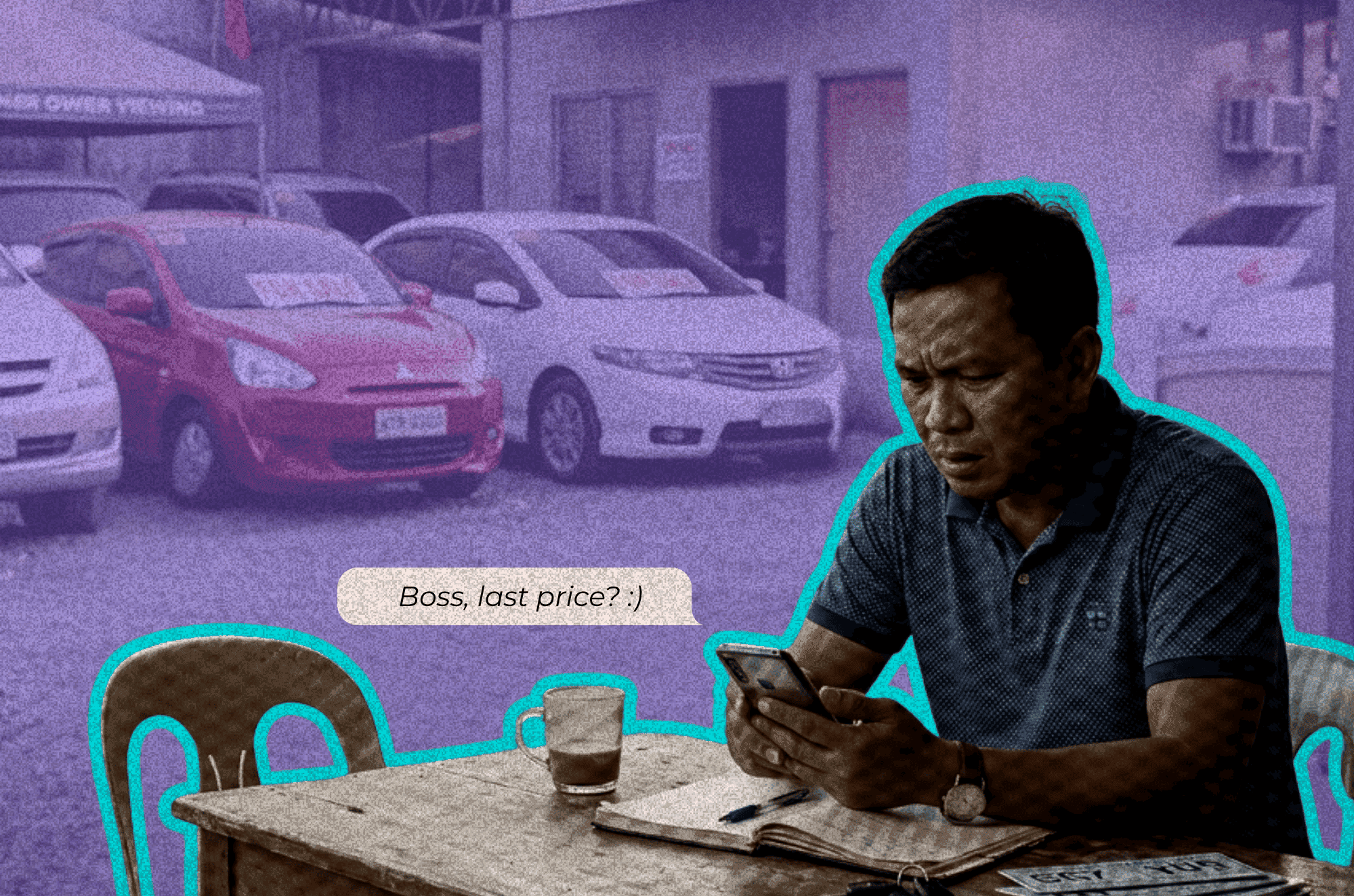
In the Philippine used car market, haggling is not an exception—it is the norm. From small everyday purchases to high-value transactions, negotiation is expected. This is why the phrase “Boss, last price?” appears in almost every inquiry, chat, or viewing.
For used-car dealers, this behavior is predictable. Buyers already assume there is room for negotiation even before inspecting a unit.
The real challenge is not the question itself, but how used-car dealers manage it while protecting margins and maintaining control of the sales conversation from the very beginning.
Buyers and “Last Price” Behavior
Most buyers are not necessarily trying to undervalue a unit. Instead, it is a learned behavior shaped by everyday buying experiences in the Philippines.
Buyers usually ask for the lowest possible price immediately, compare multiple listings before deciding, and test seller flexibility early in the process.
This is normal market behavior, not a red flag. For used-car dealers, reacting emotionally or giving discounts too quickly can weaken pricing control.
Pricing With Negotiation Built In
In the used car market, very few transactions close at the posted price. That is why pricing must already account for negotiation before a listing goes live.
A strong pricing strategy for used-car dealers considers market demand, unit condition, and expected negotiation range. When pricing is structured properly, haggling becomes part of the process instead of a disruption.
Responding to “Last Price”
The first response to a price inquiry often sets the tone for the entire negotiation.
Instead of immediately lowering the price, effective used-car dealers slow the conversation and shift focus to value. This means understanding buyer intent, identifying budget range, and reinforcing why the price is justified.
When handled correctly, the discussion becomes value-based instead of pressure-based.
Justifying Price
Buyers are more likely to accept pricing when they clearly understand what they are paying for:
- Maintenance history
- Repairs or upgrades
- Overall condition of the unit
- After-sales support
Clear value explanation makes resistance easier to manage and reduces pressure to give unnecessary discounts.
Flexible Deal Structuring
Not every negotiation requires a price cut.
Used-car dealers can stay flexible by improving deal structure instead of lowering the price. Small inclusions or added value can make the offer more attractive while protecting margins.
When to Hold Price
Used-car dealers should hold firm on price when:
- The offer is below market value
- The buyer shows low purchase intent
- The pricing is already fair and competitive
This builds consistency, filters serious buyers, and strengthens pricing authority over time.
Closing the Deal
In a market where haggling is deeply embedded in buying culture, success is not about giving the lowest price—it is about managing the negotiation process strategically.
Strong used-car dealers don’t just respond to “last price” requests; they control the direction of the conversation from inquiry to closing.
By maintaining value-based positioning, setting clear pricing discipline, and recognizing serious buyers, they consistently protect margins while closing sustainable, profitable deals.