Before You Travel This Holy Week: A Quick Guide to Car and Budget Prep

Holy Week in the Philippines is one of the busiest travel seasons of the year. Families head back to their provinces, friends plan beach trips, and long drives become part of the tradition. While the break offers a chance to relax and reflect, Holy Week travel also means heavier traffic, longer driving hours, and limited access to repair shops, as many establishments are closed. Fuel demand also tends to rise, increasing your overall travel expenses.
Before you hit the road, it’s important to think beyond your itinerary. Proper preparation doesn’t just ensure a smoother trip—it can also save you from costly surprises.
Here’s a practical guide to help you get your car and finances ready for a safe and stress-free Holy Week getaway.
A. Make Sure Your Car Is Road-Ready
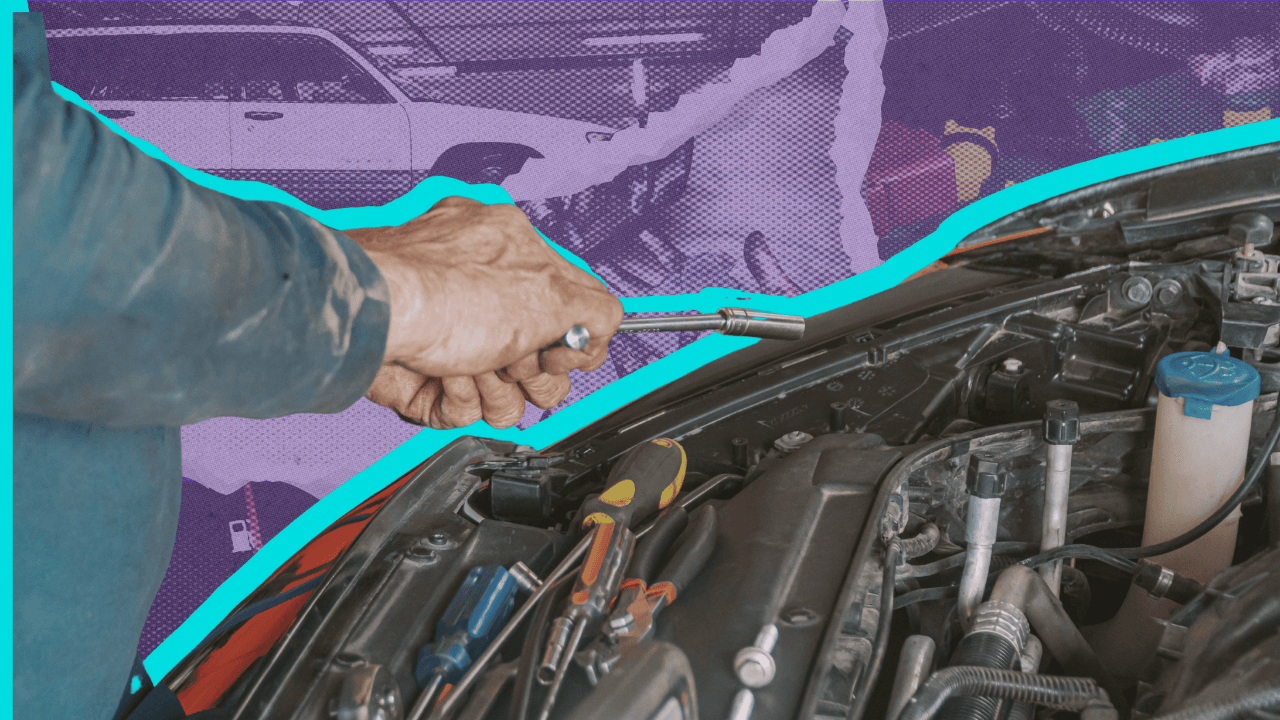
Before anything else, your car should be in top condition. Even if you use it daily, long-distance travel puts extra strain on its components.
1. Check Your Engine and Fluids
Start with the essentials:
- Engine oil
- Brake fluid
- Coolant
- Transmission fluid
- Windshield washer fluid
Low or dirty fluids can lead to overheating or mechanical issues, especially during long drives in hot weather.
2. Inspect Your Tires
Your tires play a major role in both safety and fuel efficiency.
Make sure to:
- Check tire pressure (including the spare)
- Look for cracks or worn-out tread
- Ensure proper alignment and balance
Well-maintained tires not only keep you safe but also help reduce fuel consumption.
3. Test Your Brakes
Reliable brakes are crucial, especially when driving on highways or uneven terrain.
Watch out for:
- Squeaking or grinding sounds
- Delayed response
- Vibrations when braking
If anything feels off, it’s best to have it checked before your trip.
4. Check Lights and Battery
Visibility and power are often overlooked but are essential for long drives.
Inspect:
- Headlights and taillights
- Brake lights
- Turn signals
- Battery condition
A weak battery can fail unexpectedly, especially with continuous use during long trips.
5. Bring an Emergency Kit
Since many shops may be closed during Holy Week, being prepared is key.
Your kit should include:
- Jumper cables
- Basic tools
- Flashlight
- First aid kit
- Drinking water
- Tire inflator or sealant
This can help you handle minor issues without added stress.
B. Plan Your Travel Budget Ahead of Time
Car readiness is only half the equation—your finances matter just as much.
1. Set a Realistic Budget
List down all expected expenses:
- Fuel
- Tolls
- Food
- Accommodation
- Emergency funds
Having a clear budget helps you stay in control of your spending.
2. Prepare for Higher Fuel Costs
Fuel consumption increases during long drives and heavy traffic.
To save on gas:
- Plan your route in advance
- Avoid unnecessary detours
- Maintain steady speeds
- Avoid aggressive driving
Small adjustments can lead to significant savings.
3. Bring Both Cash and Digital Payment Options
Not all areas have reliable digital payment systems.
Make sure to have:
- Enough cash for tolls and small purchases
- Backup digital payment options
This ensures smooth transactions wherever you go.
4. Set Aside Emergency Funds
Unexpected expenses can happen anytime—whether it’s a flat tire or a minor repair.
Setting aside a separate emergency fund helps you handle these situations without disrupting your trip.
5. Avoid Last-Minute Spending
Last-minute decisions often cost more.
Examples include:
- Late accommodation bookings
- Buying overpriced essentials
- Paying premium fuel prices
Planning ahead helps you avoid unnecessary expenses.
Simple Ways to Save More During Your Trip
Even small habits can help you stay within budget while traveling.
1. Travel During Off-Peak Hours
Avoiding peak traffic:
- Saves fuel
- Reduces travel time
- Makes the trip less stressful
2. Share Expenses When Traveling in Groups
If you’re traveling with others, splitting costs for fuel, tolls, and accommodation can make the trip more affordable.
3. Pack Your Own Essentials
Bringing your own snacks, water, and other necessities helps you avoid overpriced purchases along the way.
4. Stick to Your Budget
Impulse spending can quickly add up. Set limits and focus on what truly matters for your trip.
Keep Your Travel Costs in Check This Holy Week
Holy Week is a time for reflection, rest, and meaningful travel—but it doesn’t have to come with financial stress or unexpected car problems.
By preparing both your car and your finances, you can enjoy a smoother and more enjoyable journey. Whether you’re heading home to your province or exploring a new destination, a little planning goes a long way.
Drive safely, spend wisely, and make the most of your Holy Week getaway.