7 Common Towing Problems in Metro Manila: A Driver’s Guide to MMDA Rules (2026)

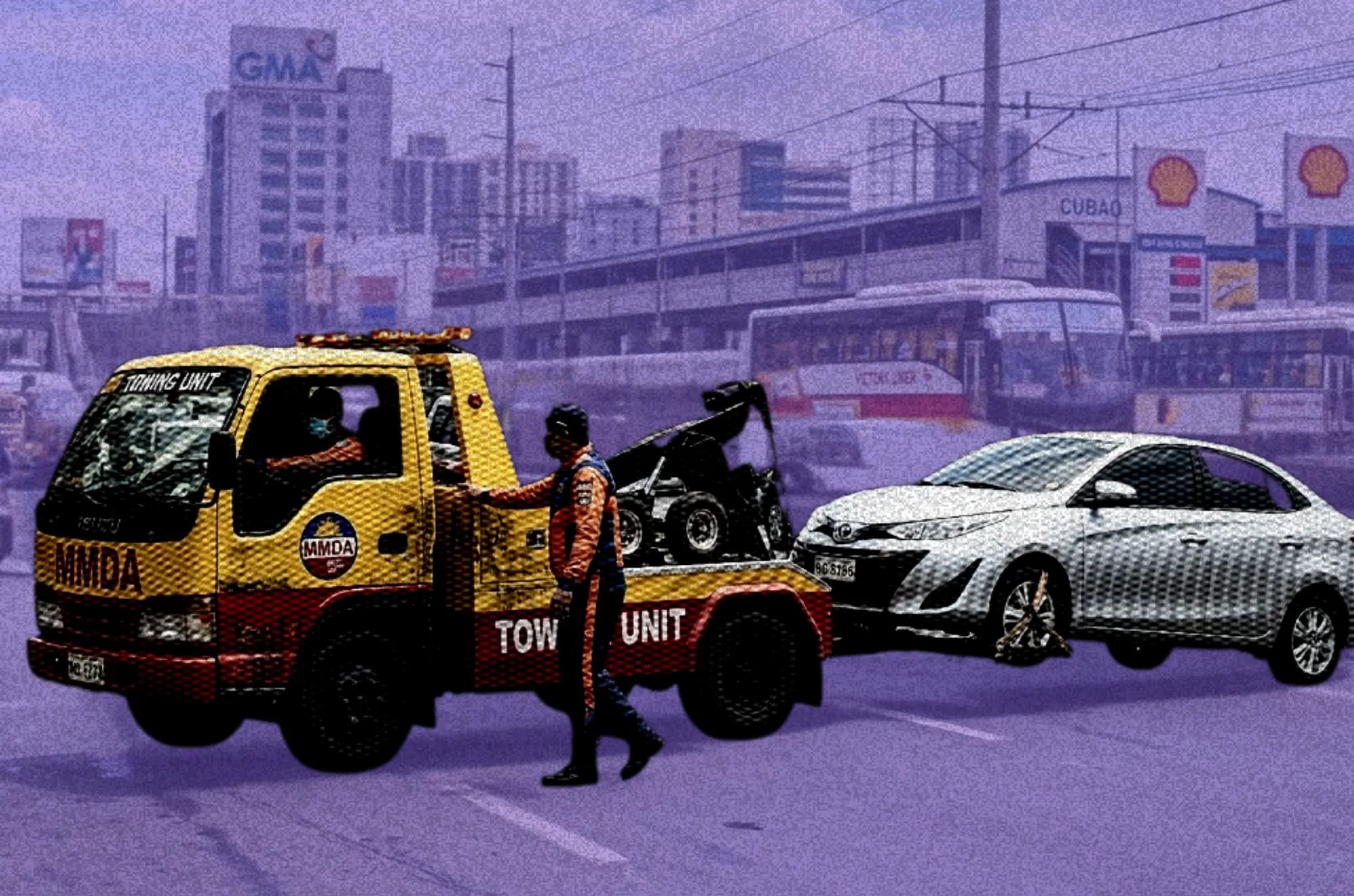
Navigating the congested roads of Metro Manila is hard enough without the looming threat of a tow truck. For many Filipino motorists, the word "towing" triggers immediate stress. As of 2026, the Metropolitan Manila Development Authority (MMDA) has tightened regulations, yet many drivers still struggle with predatory practices and confusion over their rights.
If you are operating a vehicle in the National Capital Region (NCR), understanding these seven towing problems is essential to protecting your car and your wallet.
7 Common Towing Problems—and What You Should Know
1. The "quick-draw" towing practice
The most common grievance among drivers is the speed of accredited towing services. Often referred to as "quick-draw" towers, these teams can hook a vehicle within seconds of it being left unattended.
The rule: According to the Revised MMDA Towing Guidelines, if the driver is present (attended vehicle), the vehicle should not be towed. Instead, the driver should be issued a Traffic Violation Receipt (TVR) for illegal parking. Towing is only permitted if the vehicle is unattended.
2. Failure to follow the "horn signal" protocol
Many drivers face illegal towing because they aren't aware of the notification process. By law, tow trucks must follow a specific sequence before touching an unattended vehicle:
- Blow their horn five times to alert the owner.
- Wait one minute.
- Blow the horn another five times.
- If the driver still doesn't appear after this sequence, only then can the vehicle be hooked.
3. Confusion over standard towing fees
A major problem is the lack of transparency regarding costs. While rates are standardized, hidden charges often creep in. As of 2026, the official MMDA base rates for the first four kilometers are:
- Light vehicles (under 4,500 kg): ₱1,500
- Medium vehicles (4,501 – 7,500 kg): ₱2,500
- Heavy vehicles (7,501 kg and above): ₱4,500
- Succeeding distance: ₱200 per kilometer until the impound site.
4. Risk of vehicle damage during transit
Improper towing can lead to severe mechanical issues, especially for front-wheel-drive or all-wheel-drive vehicles. There is a frequent lack of care when securing bumpers or transmissions.
Note: All accredited tow trucks must carry a surety bond of ₱100,000 to answer for any loss or damage incurred during the towing process. Always inspect your car before and after it is moved.
5. Prohibited roadside repairs
It's a frustrating reality: if you get a flat tire on a major thoroughfare like EDSA, C5, or Commonwealth, you aren't allowed to change it yourself. MMDA safety protocols categorize roadside repairs as a traffic obstruction. Drivers are often forced to accept a tow to the nearest exit or gasoline station, even for a simple fix, leading to unexpected expenses.
6. The "sector" bottleneck and response times
Metro Manila is divided into sectors. While this was designed to prevent "tow truck racing," it has created a bottleneck. If your car breaks down, you are usually restricted to the accredited towing company assigned to that specific sector. This often leads to long wait times during peak hours, leaving drivers vulnerable on busy highways.
7. Difficult impound locations and logistics
Once towed, retrieving a vehicle is a logistical hurdle. Most vehicles end up in the Tumana Impounding Area in Marikina or the ULTRA site in Pasig. For many, the journey to pay fines at the MMDA Main Office and then commute to the impound site can take an entire day, leading to lost productivity and accumulated storage fees.
Stay informed, stay off the hook
Towing problems in Metro Manila are often the result of a "knowledge gap." By knowing your rights—especially the attended-vehicle rule and the five-blast horn protocol—you can protect yourself from illegal impounding. Always check if the tow truck has the official MMDA sticker and standard white color. Stay proactive with vehicle maintenance to avoid stalls, and always document your roadside interactions. When you know the rules, you keep your wheels on the road and your money in your pocket.